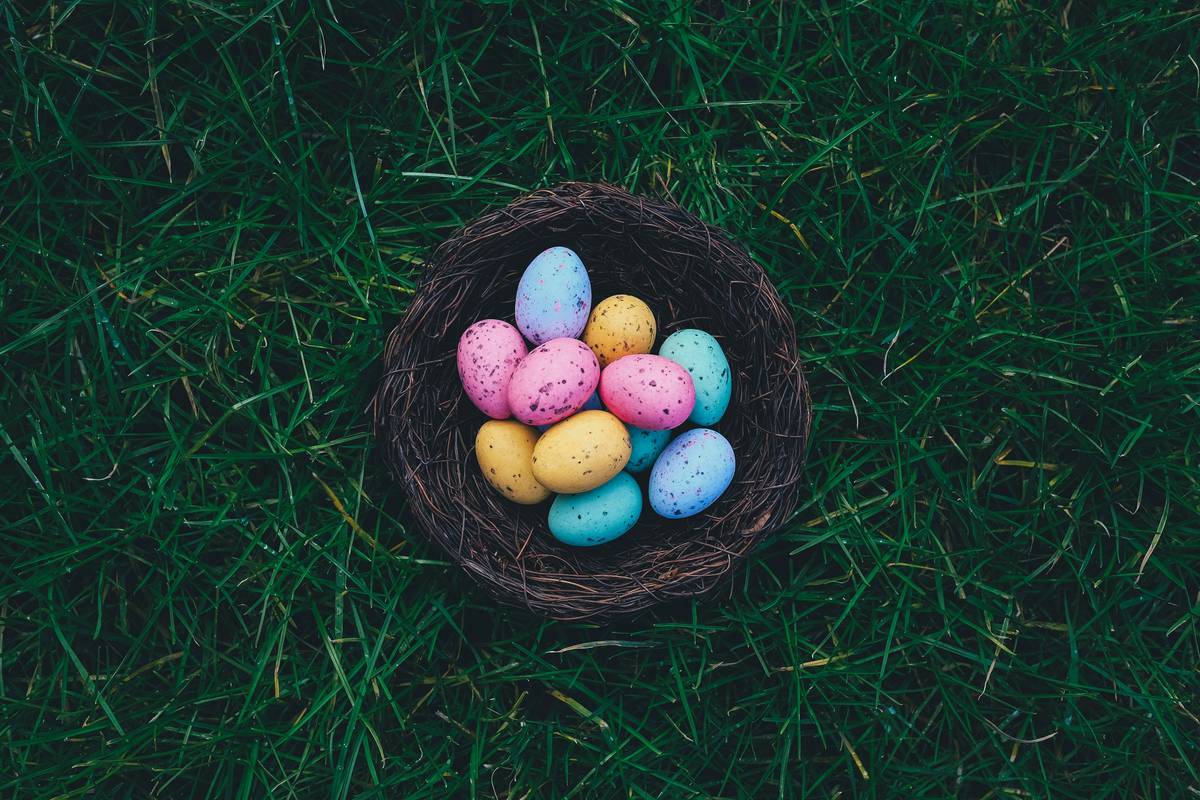
You spent hours hunting for Easter decor—only to end up with flimsy plastic eggs and bunny figurines that look like they survived three garage sales. Your guests notice. The kids lose interest by noon. And you’re stuck storing cheap party supply easter decoration home good items that crack, fade, or vanish before next spring. There’s a better way—without blowing your budget or cluttering your linen closet.
Why Most Easter Decor Fails (And Wastes Your Money)
Most Easter decorations are designed for one-time retail appeal—not real homes. They prioritize shelf presence over longevity. Think about it: pastel foam bunnies, tissue-paper grass, glitter-dipped eggs that shed everywhere. They photograph well online but fall apart during actual use.
And here’s the kicker—many “home good” labeled products are just repackaged party supplies with a higher price tag. You pay for branding, not durability.
How to Choose & Style Real Easter Decor That Lasts
Forget disposable kits. Build a flexible, reusable Easter aesthetic that transitions from brunch table to entryway without looking staged. It starts with material intelligence.
Prioritize Natural & Reusable Materials
Opt for wood, ceramic, linen, or metal. A hand-thrown ceramic egg lasts decades. A linen napkin dyed with onion skins becomes an heirloom. These aren’t just “party supplies”—they’re functional home goods that happen to celebrate the season.
Repurpose Year-Round Items
Your white ceramic bowl? Perfect for holding moss and wooden eggs. Neutral throw pillows with subtle embroidery can double as Easter accents—no bunnies required. The goal is cohesion, not costuming.
DIY Over Disposable (The Smart Math)
Yes, store-bought kits seem cheaper upfront. But a $12 bundle of willow branches, linen ribbon, and beeswax candles beats $20 in plastic junk that breaks by Tuesday. Plus—you control the color story.
| Approach | Upfront Cost | Lifespan | Storage Footprint |
|---|---|---|---|
| Disposable Party Kits | $15–$30 | 1 season | High (bulky boxes) |
| Natural DIY Elements | $20–$40 | 3–5+ years | Low (nest in baskets) |
| Investment Home Goods | $50+ | 10+ years | None (lives on shelves year-round) |
The Industry Secret: Easter Isn’t About Bunnies—It’s About Light
Top interior stylists don’t obsess over rabbits or chicks. They track seasonal light shifts. Early April sunlight is cooler, crisper—so they swap heavy winter textiles for airy weaves and introduce reflective surfaces: mercury glass, polished wood, hand-blown glass orbs. This subtly signals “spring” without a single plastic chick.
Here’s the reality: your guests feel renewal through texture and luminosity—not cartoon animals. A single bowl of water with floating blossoms catches morning light like nothing else. That’s the true party supply easter decoration home good strategy: work with nature, not packaging.
FAQ
Can I reuse Easter decor beyond the holiday?
Absolutely. Neutral-toned eggs, woven baskets, and white ceramics transition seamlessly into spring or general farmhouse decor. Avoid overt symbols like “Happy Easter” banners.
What’s the most cost-effective Easter decoration?
Fresh branches—like forsythia or cherry blossom—cost little or nothing if you have a yard. Paired with a thrifted vase, they outshine any store-bought centerpiece.
Where should I store Easter decorations?
In shallow fabric bins labeled by room—not holiday. Keep eggs with your dining linens, wreaths with entryway hooks. Out of sight = forgotten; integrated = used.